I don’t really do halfway.
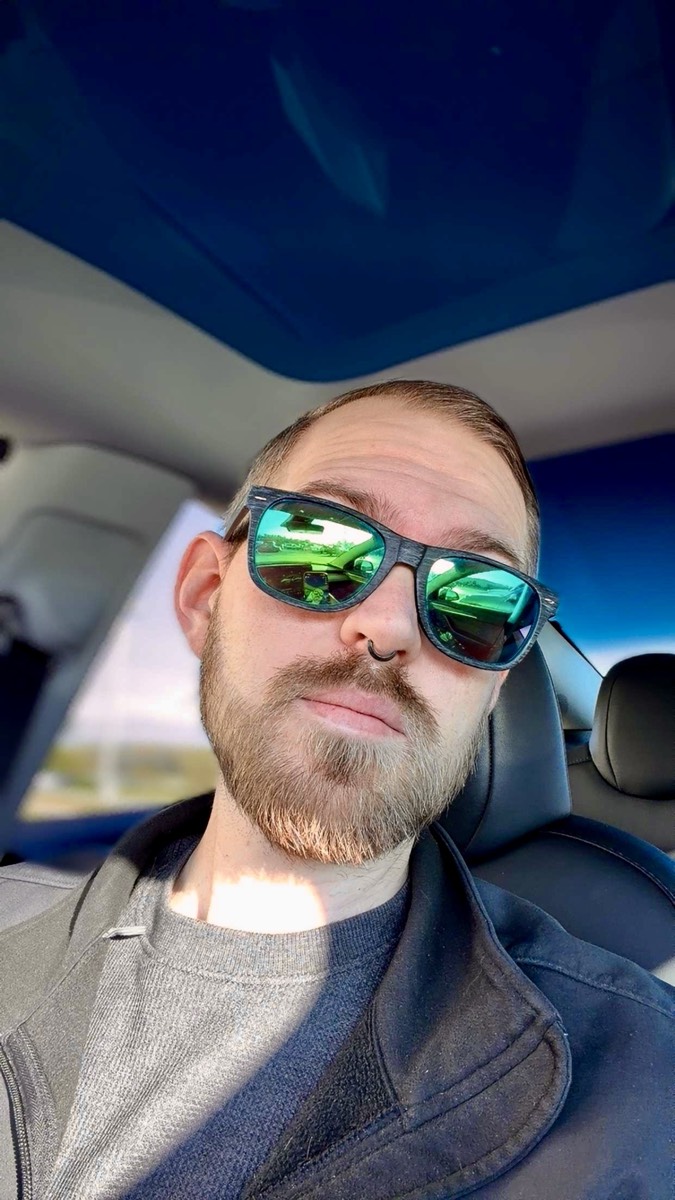
I’m Drew. I work in IT and build a lot of stuff nobody asked for. My attention has two settings: off, and all the way.
What IT taught me
IT is mostly troubleshooting. You learn to check the boring things first, change one thing at a time, and not trust a fix you can’t explain.
It’s the same process for getting files off a dying drive, or figuring out why a photo scanned badly in 2003 and what can still be done about it. The only real difference is that nobody cries about a printer.
The less professional part
I’m neurodivergent. When something grabs my interest it gets all of my attention, and when it doesn’t, even getting started is a fight.
I once spent an entire evening giving every contact in my phone the right company logo. Nobody asked me to. It was a ridiculous way to spend a Saturday, and my phone has felt right ever since. I can’t really defend it.
That’s pretty much the business. Plenty of people could do this. I’m just willing to go further into it than anyone sensible would, whether that’s your grandma’s photo, a smart home that half works, or a parts list with forty browser tabs behind it.
What I actually do
Latent is the restoration and recovery side: faded or torn photos, tapes nobody has a player for anymore, files that vanished off a card. It’s careful work on things you can’t replace, and that kind of pressure is where I do my best work.
Consulting is me researching your problem instead of mine: smart home plans, parts lists for projects, and the digital cleanup nobody has a spare weekend for.
The projects are what happens in between. A sim rig that turned into a fabrication project, a touchscreen on the wall for the music, and apps I built because the existing ones were almost right.
How I work
I’d rather talk you out of spending money than take it for something that’s going to disappoint you. If your photo is too far gone, or a $40 gadget would fix your problem, I’ll tell you. Partly because it’s the right thing to do, and partly because I’m the one who has to live with it.
I answer my own email, usually the same day. There’s no team and no ticket system, and nobody else touches your files. That cuts both ways: you always get me, and there’s only one of me.
Technology
- Apple ecosystem
- Smart home & local control
- Home lab & self-hosting
- Networking
- Image & video pipelines
Making
- 3D printing & CAD
- Electronics & soldering
- Custom brackets & mounts
- Cable management, seriously
- Prototyping
Everything else
- Music, constantly
- Sim racing
- Well-made objects
- Typography I can’t unsee
- Archives & old photographs
Want something
looked at properly?
A photo, a drive, a house full of smart stuff that half works, or a project you’ve been putting off for months. Tell me about it.